Eid Al-Fitr
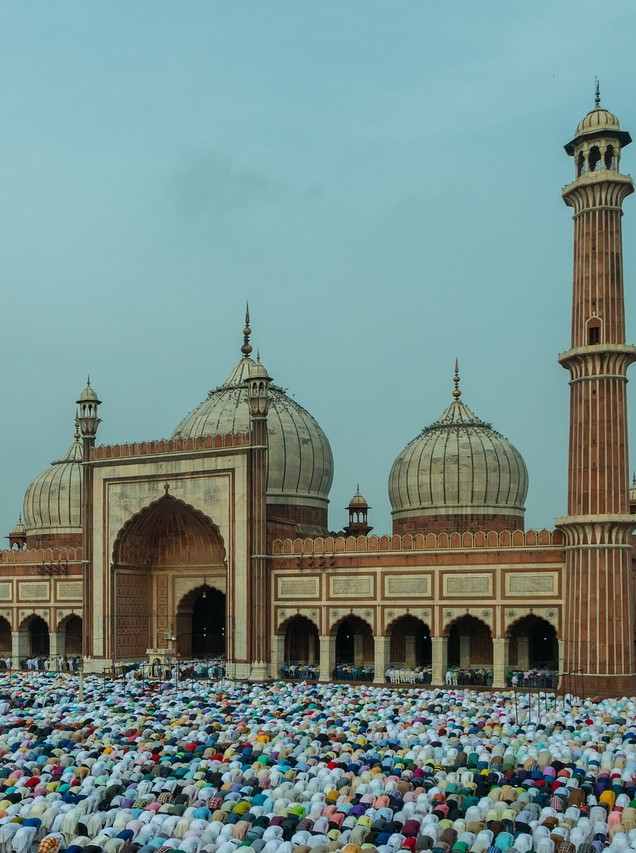
Amidst the joyous atmosphere of Eid Al-Fitr, Muslims around the world celebrate the end of Ramadan, the holy month of fasting. Families come together to offer prayers of gratitude and share festive meals, marking the conclusion of a period of spiritual reflection and self-discipline. It's a time of generosity, compassion, and community as people reach out to those in need, embodying the spirit of giving and unity.
Baisakhi
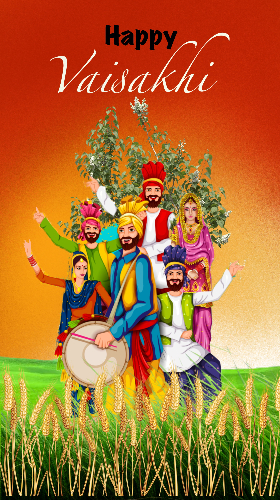
Baisakhi, also known as Vaisakhi, is a vibrant festival celebrated predominantly by the Sikh community to mark the Sikh New Year and the founding of the Khalsa Panth in 1699. It is also observed as a spring harvest festival in the Punjab region of India. Baisakhi is celebrated with great enthusiasm and fervor, marked by colorful processions, traditional folk dances such as the Bhangra and Gidda, and the singing of hymns from the Guru Granth Sahib, the holy scripture of Sikhism.
Tulip Festival in Srinagar
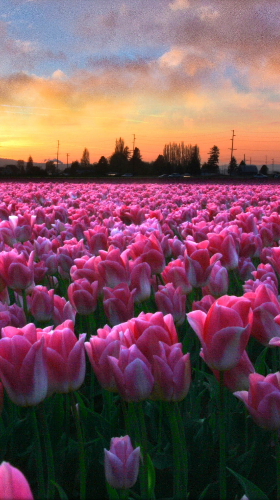
Every spring, the picturesque valley of Srinagar in Kashmir comes alive with the enchanting Tulip Festival, a celebration of nature's beauty and vibrant colors. The Tulip Festival showcases a mesmerizing display of thousands of tulips in full bloom, painting the landscape with shades of red, yellow, pink, and purple. Visitors from all over the world flock to the Indira Gandhi Memorial Tulip Garden, the largest tulip garden in Asia, to witness this breathtaking spectacle.
Jagannath Rath Yatra
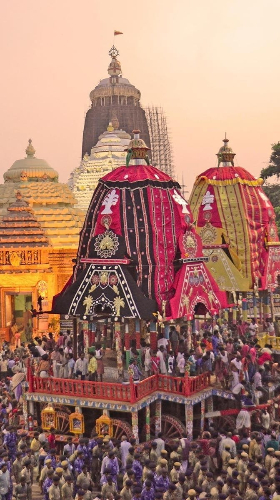
The Jagannath Rath Yatra is a grand chariot festival celebrated in the coastal city of Puri, Odisha, India. It commemorates the annual journey of Lord Jagannath, along with his siblings Balabhadra and Subhadra, from the Jagannath Temple to the Gundicha Temple, which is located approximately two miles away. The highlight of the festival is the pulling of elaborately decorated chariots (raths) by thousands of devotees through the streets of Puri. The three main chariots, namely Nandighosa, Taladhwaja, and Devadalana, represent different aspects of the divine.